Connecting Without Words: Photography’s Universal Language
August 13th, 2025
Connection is one of the most important parts of photography. Beyond lighting, composition, and camera settings, there’s something deeper at play—the bond between the photographer and the person in front of the lens. But what happens when you and your subject don’t share a common language?
It may seem like a challenge, but I’ve found that the absence of words can actually create space for something more profound. Photography itself becomes the language—one made up of eye contact, gestures, and mutual respect.
The Power of Non-Verbal Communication
When language isn’t an option, body language becomes everything. An open posture, a gentle nod, and a smile can communicate your intentions without a single word. The way you hold your camera, the calmness in your movements, and the attentiveness in your expression all help set the tone.
These non-verbal cues signal that you are present, respectful, and interested—not just in taking a photograph, but in understanding the person in front of you.
Building Trust Without Words
Trust is essential in photography. Without it, people appear guarded or uncomfortable, and that energy is captured in the image. To build trust without speaking the same language, focus on creating a comfortable, unhurried environment.
Pausing before taking the first shot, making sure your subject knows they are in control, and using small visual cues to “ask permission” help foster a sense of safety. When people feel respected, they are more likely to relax and allow their genuine personality to come through.
Using the Environment to Tell the Story
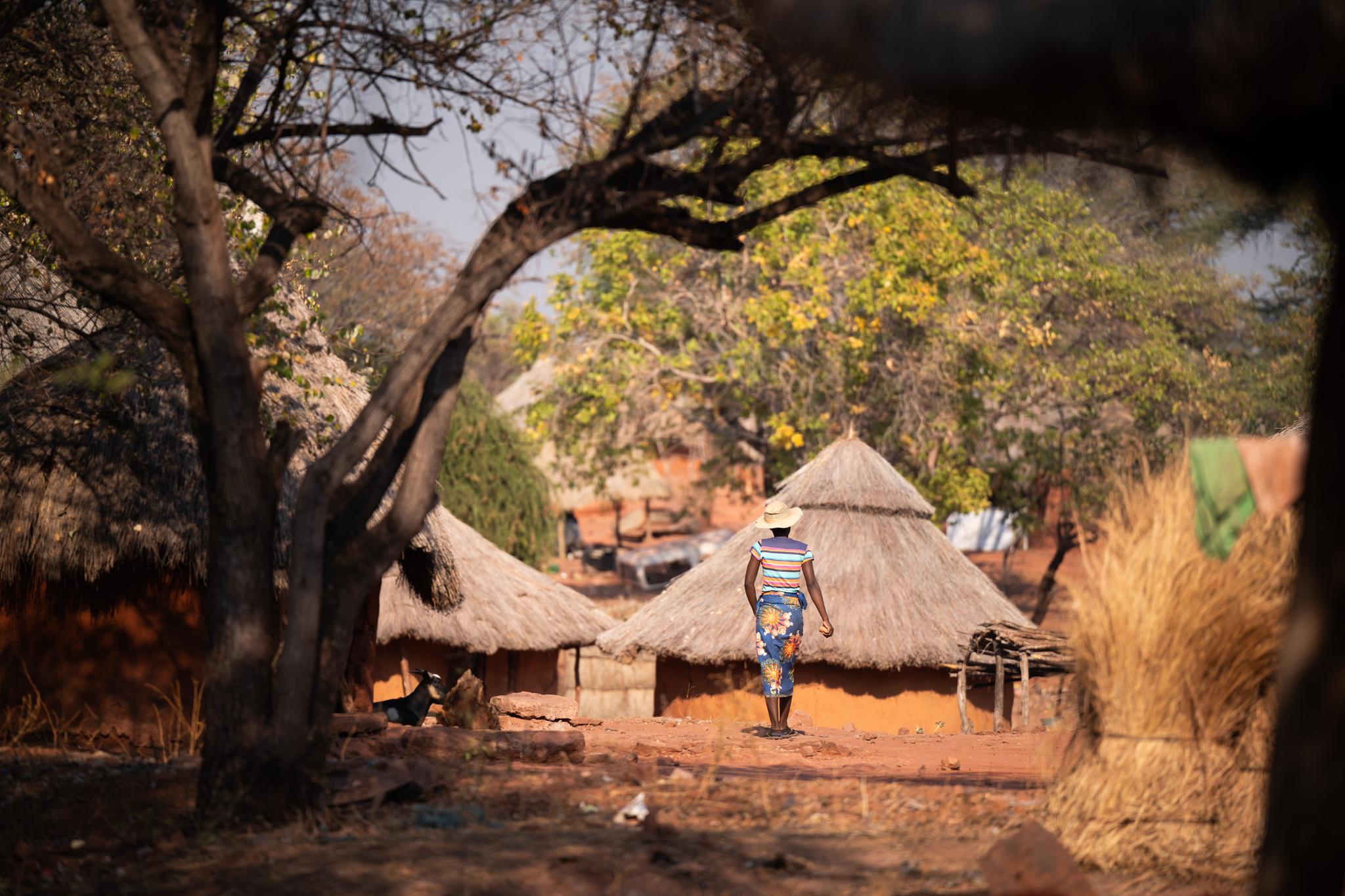
In cross-language photography, the environment plays a bigger role in storytelling. Colors, textures, light, and background elements provide context and depth. A well-composed image can communicate mood, culture, and atmosphere in ways words never could.
Paying close attention to these surroundings not only makes the photo visually rich, but it also allows the viewer to connect with the subject’s world—even if they never exchange a word with them.
Facial Expressions as the Universal Language
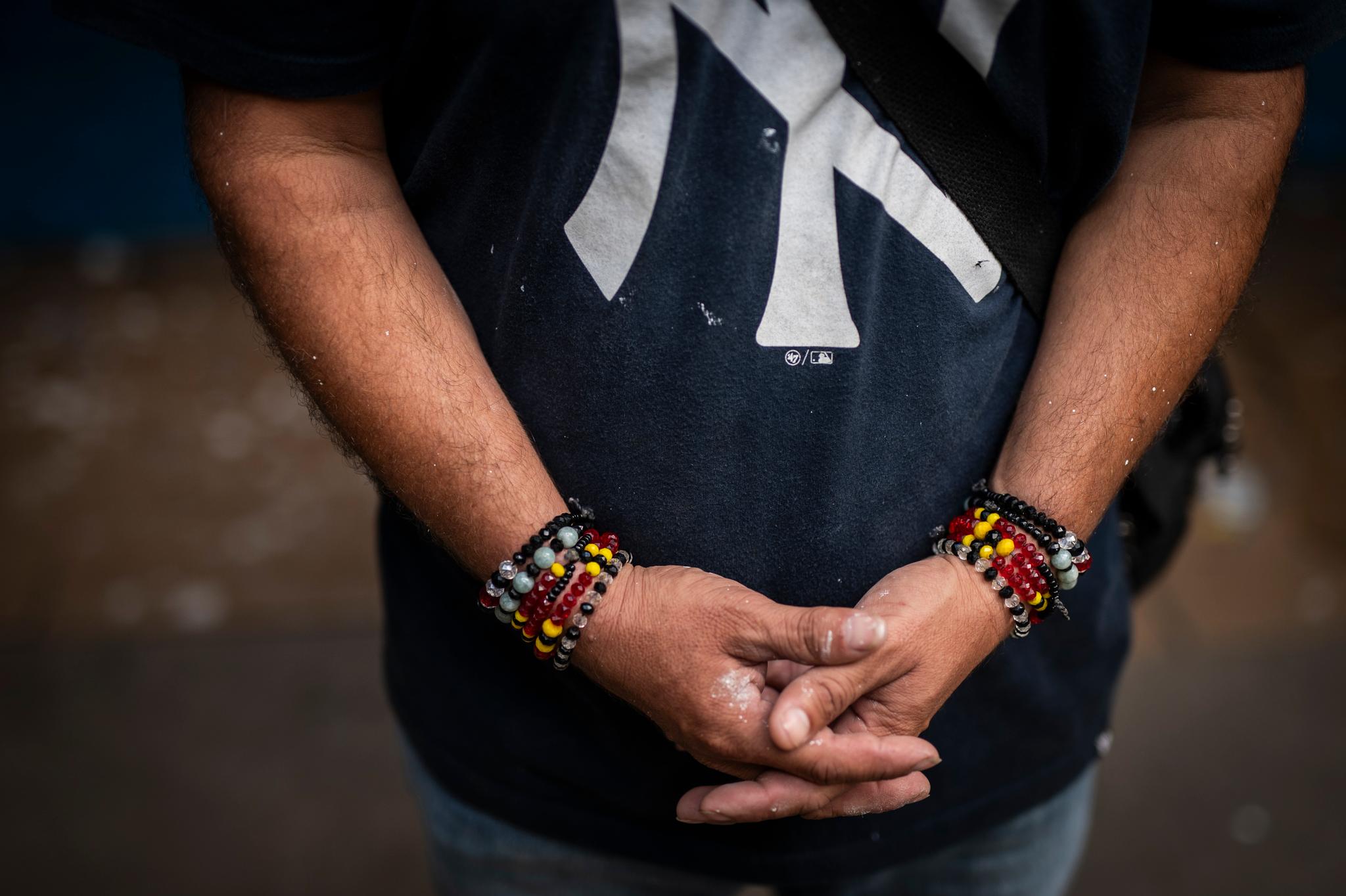
Expressions are understood across cultures. A smile, a thoughtful gaze, a spark of curiosity—these moments speak directly to our shared humanity. By focusing on capturing authentic expressions, the resulting photographs feel alive, immediate, and relatable to anyone viewing them.
The Role of the Photographer’s Presence
Sometimes, connection comes from simply being there—fully present, patient, and observant. Even without words, people can sense when you are engaged and invested in the interaction. This presence builds rapport and creates the conditions for natural, unforced portraits.
The Camera as a Bridge
A camera is more than a tool—it can become a bridge. When you show someone their photograph, you’re inviting them into the creative process. Even a quick preview on the back of the camera can spark shared excitement, break down barriers, and turn a moment of observation into a moment of collaboration.
Why It Matters
In a world where spoken language often defines how we connect, photography reminds us that human connection doesn’t depend solely on words. Through the lens, we can share experiences, emotions, and perspectives that transcend language.
The final image becomes a record of that connection—a silent conversation frozen in time, accessible to anyone who looks at it, no translation required.